

REPORTS
Civil Society Working Group Oversight Report on the 6th Plenary Session of the House of the People of the Federal Parliament of Somalia
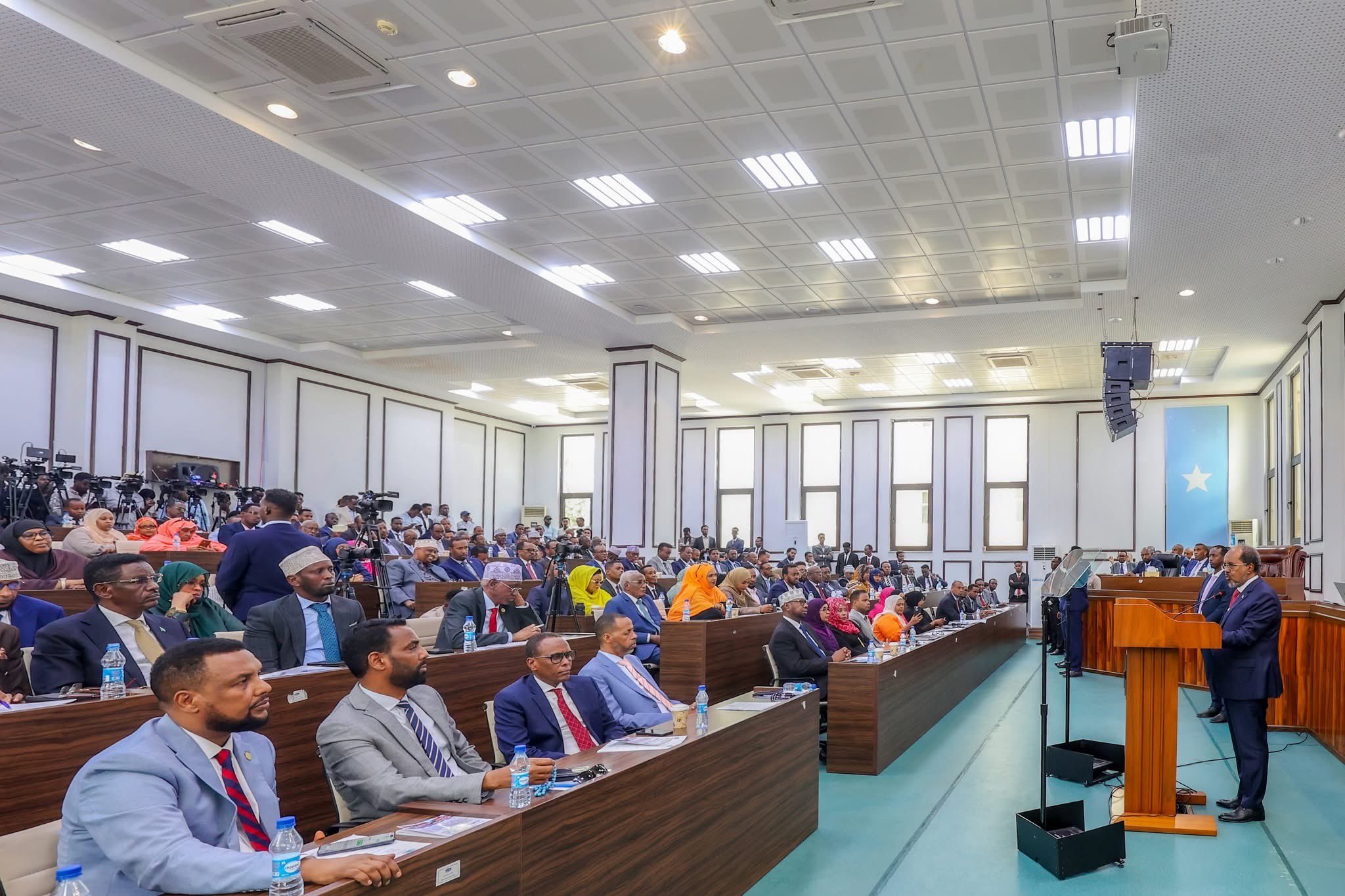
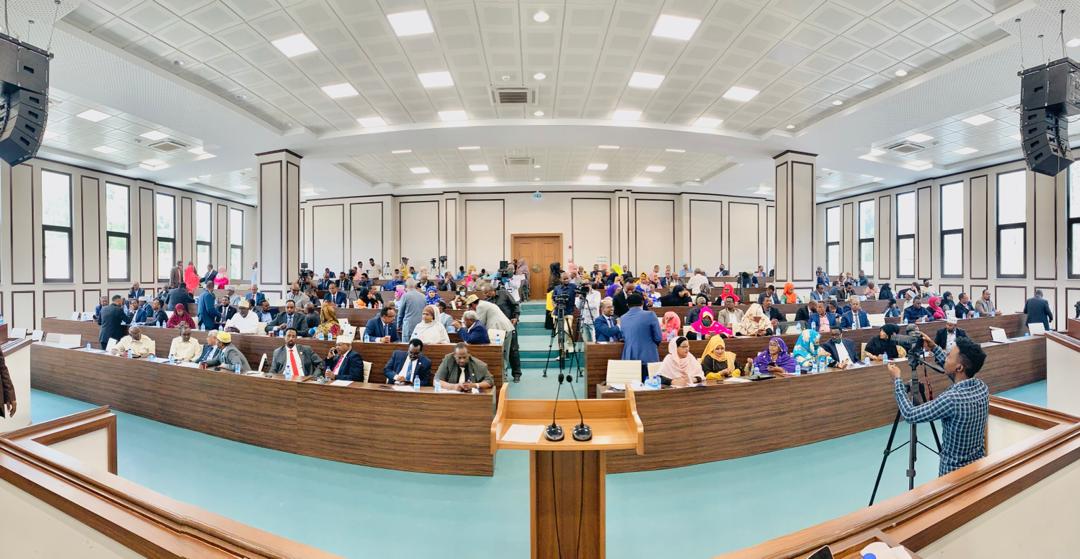
The Civil Society Working Group’s observation of the 6th Plenary Session (15 February–22 June 2025) shows that Parliament achieved notable legislative progress—including the IDPs Bill, Civil Registration Bill, and four major economic reform laws—while also initiating key international agreements. However, observers noted serious gaps in transparency and governance, such as the absence of a Hansard system, low MP attendance, repeated quorum failures, restricted access to committee deliberations, and frequent disorder in debates. The report calls for urgent reforms including establishing a Hansard, opening committee work to civil society, consistent disciplinary procedures, improved MP capacity, and public consultations to strengthen accountability and build trust ahead of the 7th Plenary Session in August 2025.
This civil society oversight report examines the performance and legislative processes of the 6th Plenary Session of the House of the People (15 February – 22 June 2025). During the session Parliament approved several landmark laws—including the IDPs Bill, the Civil Registration and Vital Statistics Bill, and four economic reform bills—demonstrating tangible legislative progress in social protection, population management, and financial sector reform.
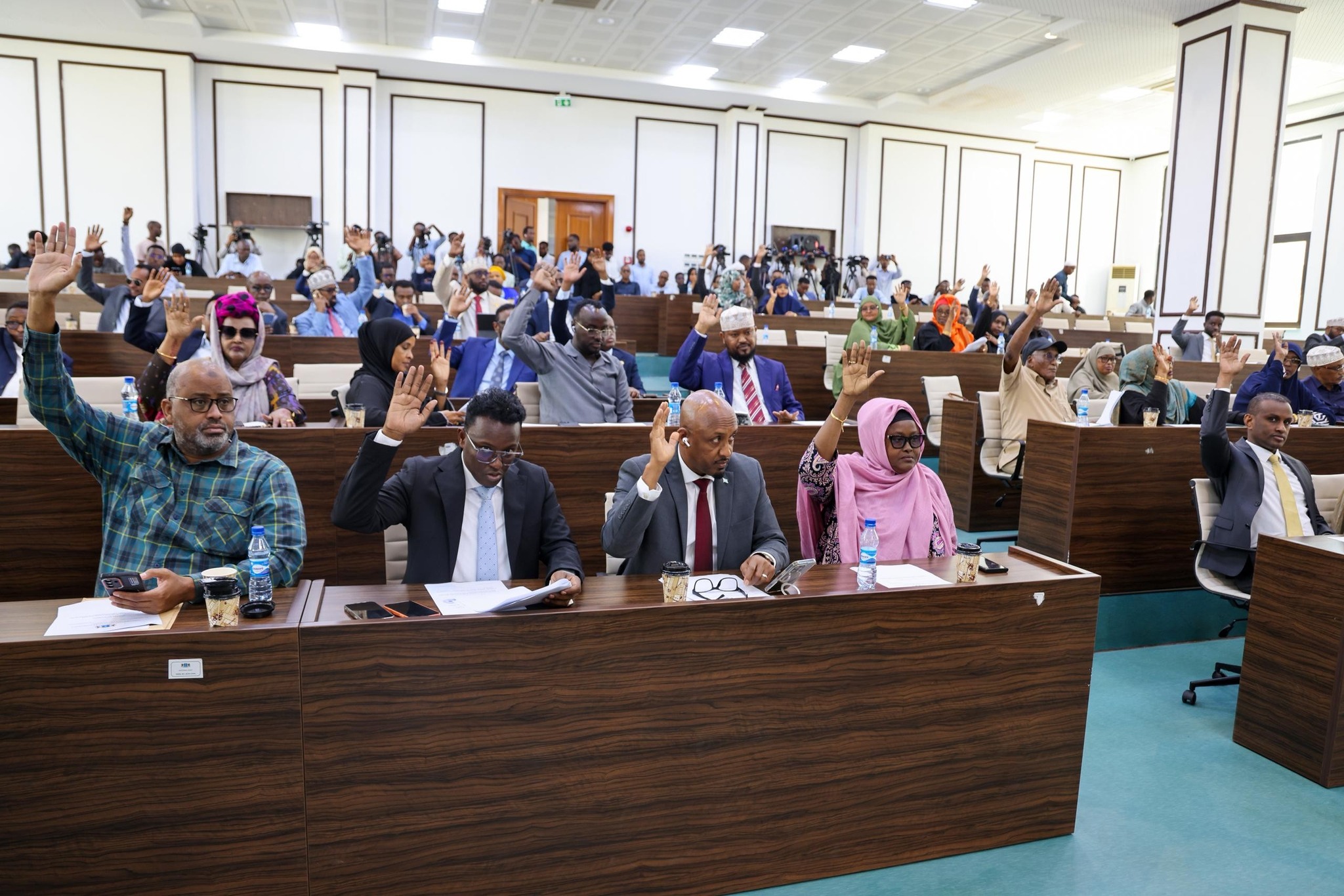
However, observers recorded significant transparency and governance gaps that undermined legislative quality: the absence of a Hansard system, restricted access to committee deliberations, chronic low MP attendance with repeated quorum failures, and episodes of disorder that disrupted sittings. Conflicting disciplinary decisions by parliamentary leadership further exposed weaknesses in institutional coherence and fair procedure.
The report recommends urgent reforms: implement a public Hansard, open committee work to accredited civil society participation, establish a modern attendance and records system, standardize disciplinary procedures, and strengthen MP training and pre-legislative public consultations for major laws. These measures aim to improve accountability, legislative scrutiny, and the public’s trust in Parliament.
Finally, the consistent presence of civil society observers—facilitated by Somalia Non-State Actors (SONSA) through the GOLE-KAAB project—helped stabilize proceedings and increased public visibility of parliamentary conduct. Adopting the report’s recommendations ahead of the 7th Plenary Session would reinforce transparent lawmaking, better public outreach, and more effective, durable legislation for Somalia.
Comments