


REPORTS
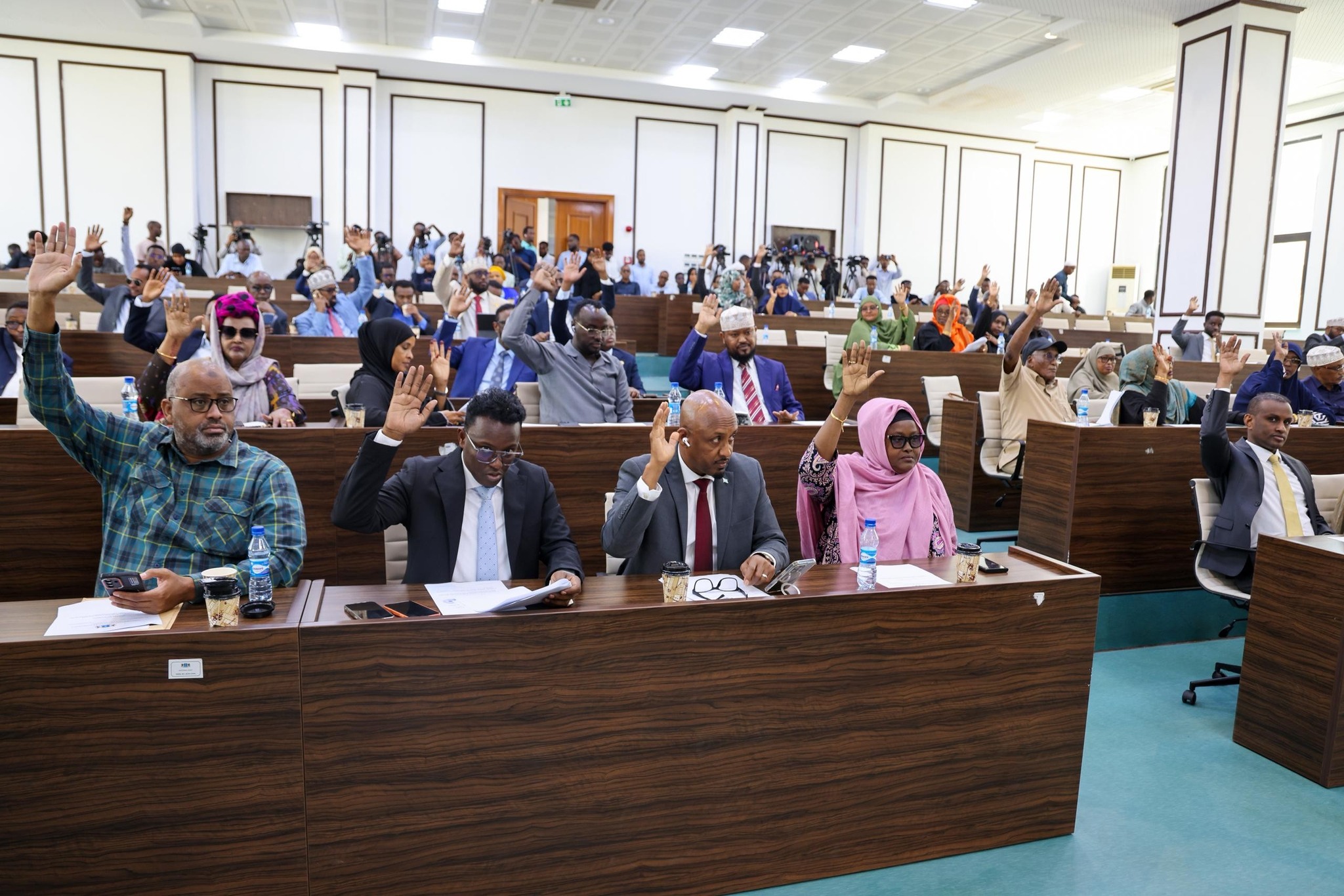
Commentary Reflection Analysis: Somali House of the People Passed 140 in Favor After the Third Reading of the Anti-Piracy and Anti-Kidnapping Law (Law No. 36 of April 30, 1975).
Reflective Analysis: Revised Anti-Piracy and Anti-Kidnapping Law (Law No. 36/1975)
On 10 November 2025, Somalia's House of the People unanimously passed (140 votes) the revised Anti-Piracy and Anti-Kidnapping Law, modernizing the 1975 framework to address piracy, illegal fishing, and align with UNCLOS and regional codes like Djibouti Code of Conduct.
Key updates include expanded jurisdiction, harsher penalties (5–20 years), and clearer definitions, led by the Judiciary Committee with SONSA/GoleKaab oversight ensuring transparency despite quorum issues. Success hinges on implementation, enforcement, and civil society engagement for maritime security gains
A Reflective Analysis of the Third Reading Passage of Somalia’s Revised Anti-Piracy and Anti-Kidnapping Law (Law No. 36 of 1975) On 10 November 2025, the House of the People of the Federal Parliament of Somalia unanimously passed the revised Anti-Piracy and Anti-Kidnapping Law (Law No. 36 of 1975) with 140 Members of Parliament voting in favor during the third reading. This legislative update marks a major milestone in Somalia’s efforts to modernize its maritime security framework, protect national sovereignty, and address evolving threats such as piracy, illegal fishing, and transnational maritime crimes. The original 1975 law no longer reflected the scale and complexity of today’s maritime challenges, making this comprehensive reform both timely and critical. Somalia’s revision is closely tied to its obligations under the United Nations Convention on the Law of the Sea (UNCLOS 1982), which it signed in 1982 and ratified in 1989 with no reservations. Despite decades of limited institutional capacity, Somalia has remained legally committed to international maritime norms. The updated anti-piracy law now aligns national legislation with UNCLOS Articles 100–107 and other global standards, enabling Somalia to exercise jurisdiction, prosecute maritime crimes effectively, and strengthen its international credibility. The law also reinforces Somalia’s role within broader regional and international frameworks such as the Djibouti Code of Conduct (2009), the International Maritime Organization (IMO), FAO’s fisheries governance bodies, EU NAVFOR Operation Atalanta, and the UNODC Maritime Crime Program. These partnerships depend on Somalia having a strong, modern legal system capable of managing prosecution, evidence-sharing, extradition, and cooperation with foreign navies. The revised law now provides the domestic tools necessary for more effective collaboration. The revised law introduces substantial modern updates, including clearer definitions of piracy, expanded jurisdiction over illegal foreign fishing, stronger penalties (5–20 years), and procedural updates consistent with Somalia’s Criminal Procedure Code. Articles 2, 3, 4, and 5 were significantly restructured to separate maritime and land-based crimes, criminalize facilitation and complicity, and clarify prosecutorial authority. These reforms ensure that the law can respond to contemporary maritime threats with precision and enforceability. The Judiciary, Religious Sites, and Religious Affairs Committee led the revision process, incorporating recommendations from MPs and legal experts. Although the final vote showed remarkable consensus, persistent quorum challenges highlight ongoing governance gaps within Parliament—an issue closely monitored by civil society observers. SONSA, through the GoleKaab Project, played a key democratic oversight role by documenting attendance, ensuring transparency, and promoting accountability throughout all readings and deliberations. The updated law is a foundational step toward restoring Somalia’s maritime sovereignty, boosting investor confidence, and safeguarding coastal communities. It strengthens cooperation with international partners, enhances Somalia’s ability to prosecute piracy and illegal fishing, and supports broader maritime governance reforms. However, its success will depend on effective implementation, improved law enforcement capacity, interagency coordination, and sustained civil society engagement. If supported by strong political will and institutional investment, the revised Anti-Piracy and Anti-Kidnapping Law has the potential to significantly enhance Somalia’s long-term maritime security and rule of law. Prepared by: Civil Society Working Groups Under Gole-Kaab Project. Primary Summarized and Compilation: Mr. Mohamed Aded Ali Executive Director, Somalia Non-State Actors (SONSA) www.sonsaplatform.com X/Twitter: https://x.com/GoleKaab?s=20 Facebook: https://www.facebook.com/share/1PAKLsR84c/?mibextid=wwXIfr

Comments