
REPORTS
CSOs Working Group Oversight Report: House of the People Sixth Session (22 Feb - 12 Mar 2025)
CSOs Working Group Oversight Report: House of the People Sixth Session
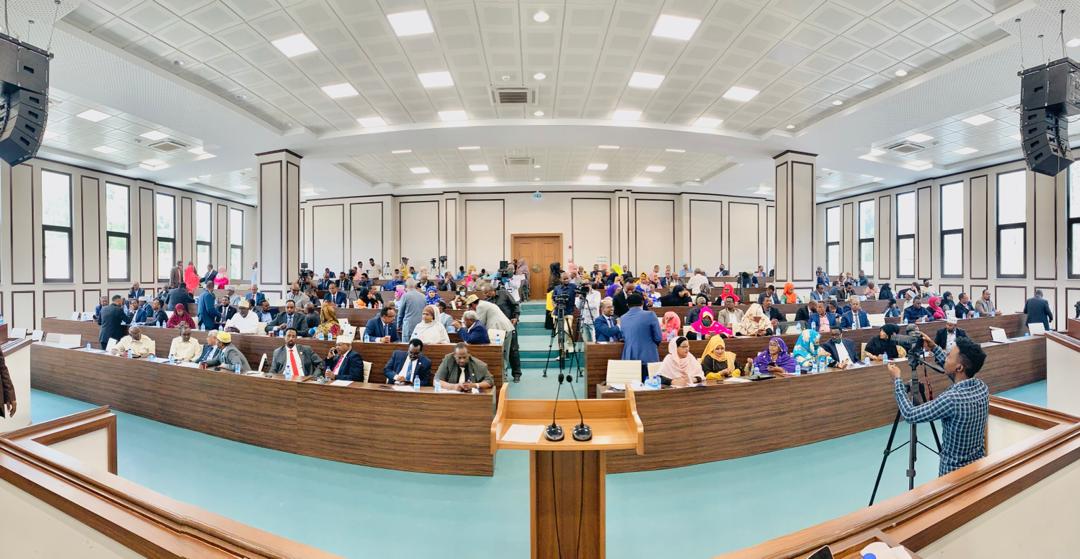
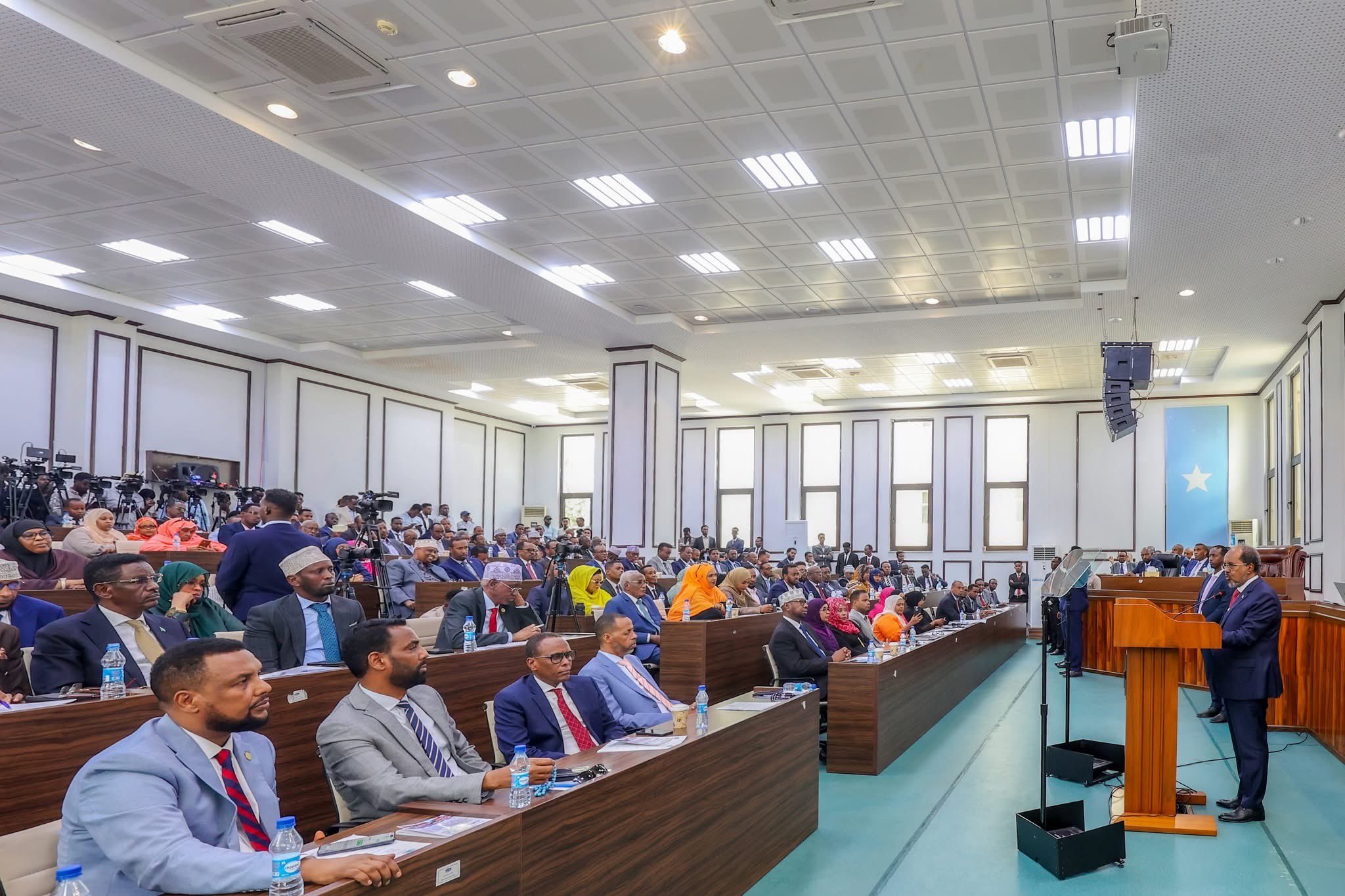
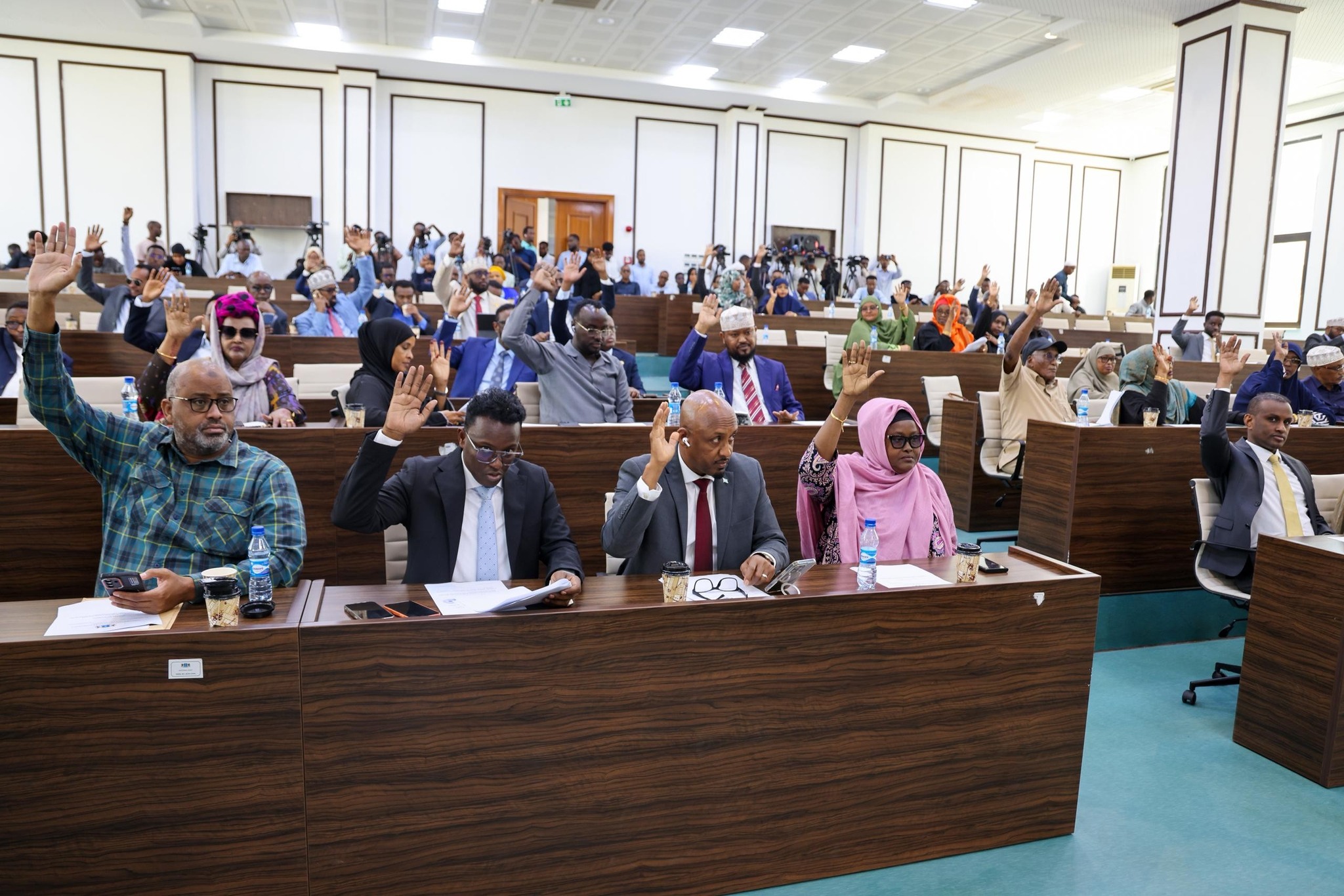
Civil Society Organizations (CSOs) Working Group under the GOLE-KAAB Project monitored all seven plenary sittings of Somalia's House of the People sixth session (22 February–12 March 2025), documenting key legislative approvals like the Somali Youth Justice Bill, Income Tax Bill, and Anti-Money Laundering Bill.
The oversight highlighted progress in governance and finance reforms alongside challenges such as inconsistent MP attendance, limited media access, and delays in bill preparation. Recommendations focus on better attendance tracking, public bill access, and CSO consultations to boost transparency and capacity.
Civil Society Organizations (CSOs) Working Group Oversight Report on the House of the People of the Federal Parliament of Somalia This report presents a comprehensive overview of the oversight activities conducted by the Civil Society Organizations (CSOs) Working Group during the sixth session of the House of the People of the Federal Parliament of Somalia, held from 22 February to 12 March 2025. The oversight exercise was implemented under the GOLE-KAAB Project to promote transparency, accountability, and inclusive public participation in parliamentary processes. The sixth parliamentary session marked significant legislative advancements in governance, public finance, justice reform, and national service delivery. Throughout the period, the CSOs Working Group attended all seven plenary sittings, closely monitoring proceedings, documenting legislative actions, and ensuring that citizens remained informed about parliamentary decision-making. Key legislative developments included the approval of several major bills such as the Somali Youth Justice Bill, Income Tax Bill, Anti-Money Laundering and Counter-Terrorism Financing Bill (AML & CTF), Financial Institutions Bill, and Insurance Companies Bill. These laws collectively aim to strengthen Somalia’s legal, financial, and institutional frameworks. Additional bills—such as the Somali Medical Bill and the Judicial Cooperation Agreement with Turkey—were under review. The Working Group applied systematic monitoring methods to evaluate procedural compliance, MP participation, transparency in voting processes, and the effectiveness of parliamentary debates. Their continuous presence and dissemination of findings positioned CSOs as an important bridge between Parliament and the public, enhancing public trust and legislative openness. Despite these achievements, the oversight identified recurring challenges. These included inconsistent MP attendance, limited space for media coverage, insufficient public access to draft bills, external press engagements by MPs, and a need for wider consultations with civil society. Technical shortcomings in bill preparation, highlighted by delays to the Youth Justice Bill, further underscored the importance of strengthening legislative capacity. To address these issues, the report proposes a series of strategic recommendations. These include reinforcing attendance monitoring, promoting internal communication, expanding media facilities, improving public access to bills, enhancing CSO engagement, promoting civic awareness, building legislative capacity, and strengthening inter-institutional collaboration. Overall, the report concludes that the sixth session represented a period of substantive legislative progress with strong potential to advance democratic governance in Somalia. Continued efforts to improve transparency, procedural efficiency, and citizen participation will be essential to sustaining this momentum and ensuring that the Federal Parliament effectively fulfills its constitutional mandate.
Comments